
Home » Articles posted by Graham Kenyon (Page 8)
Author Archives: Graham Kenyon
NEWS – Electrical Energy Storage: an introduction
We are proud to announce that our Principal, Graham Kenyon, is the lead author for a new June 2016 publication from IET Standards entitled “Electrical Energy Storage: an introduction”. As the efficient use of energy becomes more important to domestic and commercial / industrial consumers alike, this technical briefing is a timely introduction to the […]
NEWS Practical considerations for d.c. installations
Our Principal, Graham Kenyon, is the lead author for this new December 2015 publication from IET Standards. Supporting the IET Code of Practice for Low and Extra Low Voltage Direct Current Power Distribution in Buildings, this technical briefing provides guidance on the differences between how d.c. and a.c. circuits are considered, and will be useful […]
NEWS Wiring Matters – Technical considerations for d.c. installations
Interest in utilising d.c. power systems within buildings is on the increase, for various applications relating to: Distributed / local energy generation and storage Electronic devices Data centre installations LED lighting Our Principal, Graham Kenyon, has written an article for the IET’s Wiring Matters, which discusses the challenges that are presented by what could be […]
RCD Protection for Sockets in BS7671: 2008(2015)
The IET Wiring Regulations, 17th Edition, BS7671: 2008, incorporating the 3rd Amendment (2015) was published on 1st January 2015, and comes into force for new designs from 1st July 2015 inclusive, as stated in the Introduction to the third amendment, 2015. Some of the key changes should be particularly noted by designers of electrical installations. […]
Are Safety Socket Covers a good idea for UK Sockets?
In many countries, socket outlets do not currently have built-in safety shutters to prevent access to live electricity with the plug removed, and in those countries using a “safety socket cover”, or “socket protector” may well be an excellent idea to help prevent children accessing live electricity, provided they are properly manufactured. In the United Kingdom, […]
-

Popular electrical installation industry articles are back in the IET Wiring Matters 2026 Annual
The IET Wiring Matters articles that generated the most interest in 2025 have been compiled into the recently published IET Wiring Matters 2026 Annual. Continue…
-
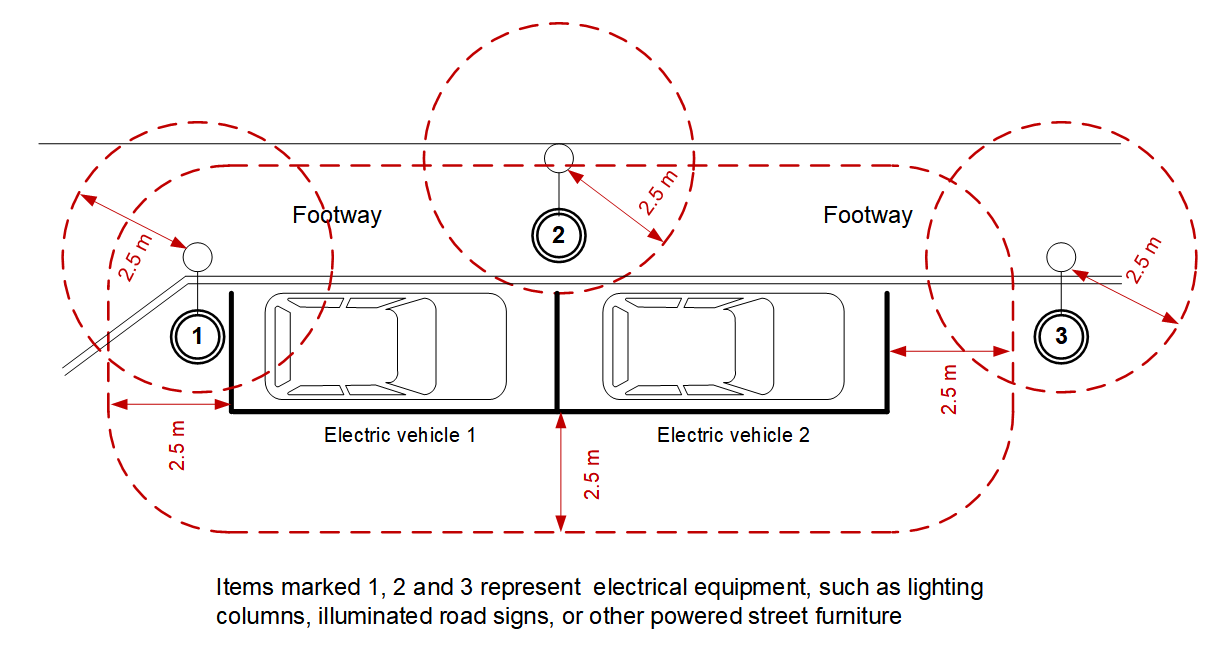
Article and fact-file on cross-pavement EV charging installations
Craig O'Neill, Senior Engineer in the Technical Regulations Team at the IET, and our Managing Director, Graham Kenyon, have written an article Electric vehicle charging…
-

The future’s bright!
The future's bright? Well, hopefully ... but, in the UK electrical installation sector, the future is now certainly ORANGE ... at least for the next…
-

Graham to speak at the ESF Wired FΩr Tomorrow event on 28 April 2026
Our Principal, Graham Kenyon, will be speaking on 28 April 2026 at the Electrical Safety First ‘Wired FΩr Tomorrow’ event diving deep into the electrical…